Selling digital products online has become one of the most popular ways to build an online business. With low startup costs, no inventory, and instant delivery, many beginners are choosing this model to generate income online.
In this guide, you’ll discover:
-
How to choose your first product
-
Where to list your items for sale
-
Pricing strategies and marketing tips
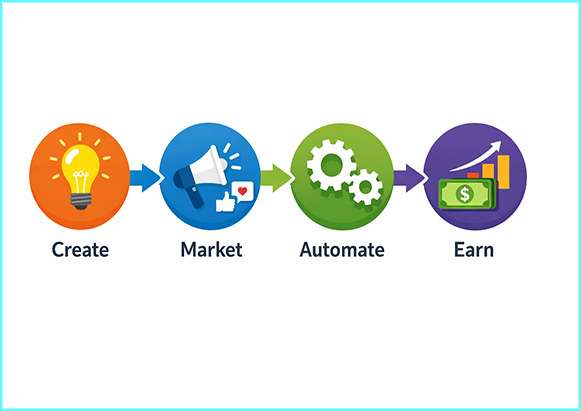
Step 1: Choose the Right Digital Product to Sell
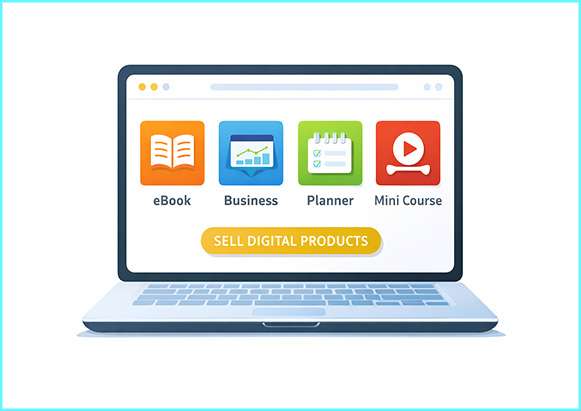
The first step involves choosing a product that solves a real problem. For instance, ask yourself if your audience is already paying for similar solutions.
Beginner-Friendly Product Ideas:
-
Ebooks and templates
-
Printables and planners
-
Mini-courses and worksheets
Tip: Simple products often sell better than complex ones, especially for beginners.
Step 2: Identify Your Target Audience

Furthermore, you don’t need to sell to everyone. In fact, trying to target everyone is a common mistake. Instead, focus on one type of person with one clear solution.
Step 3: Create or Prepare Your Assets
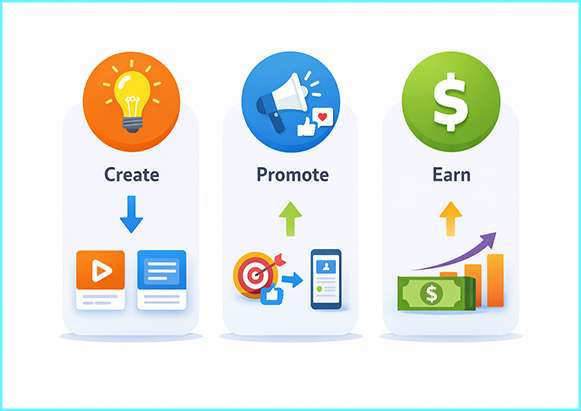
There are three main ways to get a product ready for the market:
1. Create Your Own Product
You can use tools like Canva or Google Docs. While this gives you full control, it requires more time.
2. Customize Existing Items
Alternatively, some products come with licenses that allow you to modify and resell them, which speeds up your launch.
3. Use Ready-Made (DFY) Products
Many beginners choose this because the product is already finished. Consequently, you can start selling almost immediately.
Step 4: Choose Where to Sell Digital Products Online
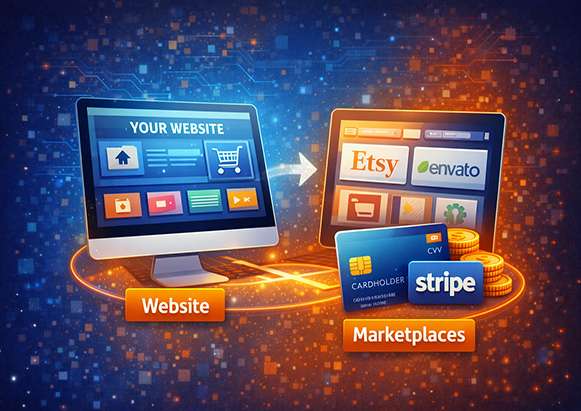
There are several platforms available today. Specifically, you should consider:
-
Your own website: Best for long-term branding and profits.
-
Marketplaces: Good for reaching an existing audience quickly.
Step 5: Set the Right Price

Pricing can be tricky. Generally, beginners should follow these tiers:
-
Low-ticket ($5–$29): Easy for first-time buyers.
-
Mid-ticket ($30–$99): Higher perceived value.
Step 6: Create a Simple Sales Page
Next, you need a way to convert visitors. A good page should include a clear headline, the specific problem you solve, and a simple call-to-action.
Step 7: Promote Your Offers
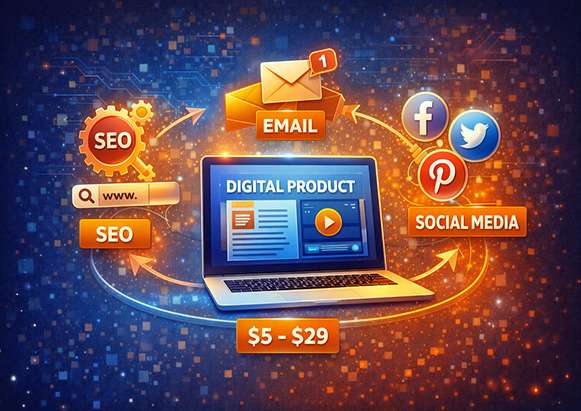
Without promotion, even the best product won’t sell. Therefore, you should focus on beginner-friendly methods like:
-
SEO blog content
-
Social media posts
-
Email marketing
Step 8: Deliver and Support Customers

Finally, ensure your items are delivered instantly. Good support builds trust, which as a result, increases repeat sales.
Common Mistakes to Avoid
Many beginners fail because they overprice their items or ignore marketing. In other words, focus on progress rather than trying to be perfect.
Is Selling Online Profitable?
Yes, but success depends on consistency. While it isn’t a “get rich quick” scheme, it is one of the most scalable models available today.
Final Thoughts
Learning how to sell digital products online is a valuable skill. Now that you know how to sell digital products online, the next question is how to start faster.
Instead of spending weeks creating products, many beginners use Done-For-You digital products to launch immediately.
👉 Next Guide:
Done-For-You Digital Products: The Smart Way to Start Selling Online Faster